

What Most Parents Miss About Children’s Dental Development
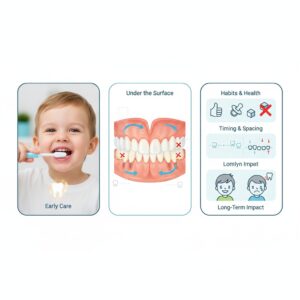
Children’s teeth tend to get less attention than they deserve, at least early on. Many parents assume dental care becomes important once adult teeth arrive, or when a child starts complaining about pain. Until then, baby teeth can feel temporary, even disposable.
The reality is very different. Early dental development quietly shapes how a child eats, speaks, breathes, and even how their adult teeth eventually come through. By the time problems are obvious, they often started much earlier. That’s why families often end up seeking advice from a paediatric dentist Sydney after issues have already taken hold, rather than before they could have been prevented.
What’s commonly missed isn’t effort or care. It’s understanding how much is happening beneath the surface while everything still looks “normal”.
Baby Teeth Do More Than Hold Space
Baby teeth aren’t just placeholders for adult teeth. They play an active role in guiding jaw growth and facial development.
Healthy baby teeth help with:
- Proper chewing and digestion
- Clear speech development
- Maintaining space for adult teeth
- Supporting balanced jaw growth
When baby teeth are lost too early or affected by decay, neighbouring teeth can drift into the empty space. This can crowd adult teeth later, even if those adult teeth are healthy.
Timing Matters More Than Parents Realise
Tooth eruption follows a general timeline, but variation is normal. What’s often overlooked is that delays or early loss can signal underlying issues.
Developmental timing matters because:
- The jaw grows in stages, not all at once
- Teeth influence how the jaw widens and lengthens
- Small disruptions early can compound over time
A few months’ difference may not matter, but patterns do. Tracking progression matters more than focusing on individual teeth.
Oral Habits Shape the Mouth
Thumb sucking, dummy use, mouth breathing, and tongue posture all affect dental development. These habits often feel harmless, especially when a child is young.
Over time, however, they can:
- Alter the shape of the palate
- Push teeth forward or sideways
- Affect bite alignment
- Influence facial growth
The challenge is that these changes happen gradually. By the time teeth visibly shift, the habit has usually been in place for years.
Cavities Aren’t Just About Sugar
Many parents associate cavities purely with sweets. While diet matters, tooth decay in children is more complex.
Other contributors include:
- Frequent snacking, even on healthy foods
- Sipping drinks over long periods
- Poor brushing technique, not just frequency
- Enamel strength and saliva flow
Decay in baby teeth isn’t just a short-term problem. It can affect developing adult teeth underneath and increase sensitivity or anxiety around dental care.
Spacing Isn’t Always a Good Sign
Gaps between baby teeth are often seen as positive, since adult teeth are larger. In many cases, spacing is normal and helpful.
However, spacing patterns matter. Irregular gaps or crowding can indicate:
- Jaw size limitations
- Early tooth loss
- Imbalanced development
Without monitoring, these signs can be misinterpreted as normal variation when they’re actually early warnings.
Behavioural Comfort Impacts Long-Term Care
Dental development isn’t only physical. Emotional experiences matter too. A child’s early interactions with dental care influence how they approach it for life.
Positive early experiences help children:
- Tolerate check-ups without fear
- Communicate discomfort early
- Develop trust around oral care
Avoiding dental visits until there’s a problem often means the first experience is negative. That association can last well into adulthood.
Brushing Alone Isn’t the Whole Picture
Daily brushing is essential, but it’s not enough on its own to guide healthy development.
Other factors include:
- Bite alignment as teeth come in
- Jaw movement during chewing
- How teeth meet when biting down
These elements aren’t easily spotted at home. They require observation over time, not just quick checks.
Development Happens Gradually, Not in Jumps
One of the biggest misconceptions is that dental problems appear suddenly. In reality, most issues develop slowly.
This includes:
- Gradual crowding
- Bite changes
- Shifts in tooth position
- Changes in jaw growth
Because these changes are incremental, they’re easy to miss during day-to-day life. Parents adapt to them as the “new normal”.
Early Attention Is Often Simpler
Addressing dental development early doesn’t usually mean invasive treatment. In many cases, it’s about guidance, habit adjustment, or monitoring.
Early intervention can:
- Reduce the need for complex treatment later
- Allow growth to correct itself naturally
- Support better long-term outcomes
Waiting until all adult teeth arrive limits options and increases complexity.
Why “They’ll Grow Out of It” Isn’t Always True
Children do outgrow many things, but dental development isn’t one of them. Teeth and jaws follow biological timelines. Missed windows don’t reopen.
Some issues resolve naturally. Others don’t. Knowing the difference requires observation, not guesswork.
Seeing the Bigger Picture
Children’s dental development isn’t just about teeth. It’s about growth, habits, comfort, and confidence. The earlier parents understand that, the easier it is to support healthy outcomes without stress.
Most parents don’t miss these things because they don’t care. They miss them because the changes are subtle and slow. Paying attention early allows small adjustments to make a big difference — long before problems demand attention.
