

The One Thing Most Supply Chains Don’t Check Until It’s Too Late
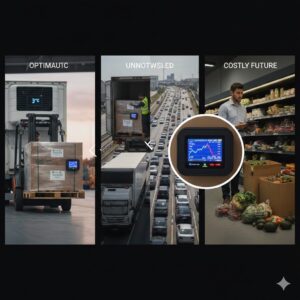
Most supply chains look efficient from the outside. Schedules are tight, routes are optimised, paperwork is complete, and deliveries arrive when they’re supposed to. On paper, everything works. Yet products still get rejected, shelf life shrinks, and losses appear without a clear explanation.
The problem is rarely a dramatic failure. It’s usually something subtle that slips through unnoticed because it isn’t checked as closely as people assume. When issues surface, they’re often discovered far downstream, long after the real cause could have been addressed.
That missing piece is consistent visibility into conditions during transit. Without a temperature monitoring device, many supply chains rely on assumptions rather than evidence — and by the time spoilage is obvious, it’s already too late to fix.
Why “It Looked Fine” Isn’t a Reliable Signal
Visual inspection has limits. Packaging can be intact. Products can appear unchanged. Documentation can say conditions were maintained. None of that guarantees quality.
Temperature-related damage often happens quietly:
- Microbial activity increases without visible changes
- Texture and structure break down internally
- Remaining shelf life shortens without immediate signs
This creates a dangerous gap between what looks acceptable and what actually is. Products pass checks on arrival, only to fail sooner than expected in storage or with customers.
Small Fluctuations Add Up Faster Than You Think
One common misconception is that brief temperature changes don’t matter. In reality, it’s the accumulation of small exposures that does the damage.
Short fluctuations often occur during:
- Loading and unloading
- Waiting on docks or tarmacs
- Traffic delays
- Door openings during transit
Each event may seem insignificant on its own. Together, they push products closer to a tipping point. Once crossed, there’s no way to reverse the damage — only to discover it later.
The False Comfort of “Standard Procedures”
Many operations rely heavily on standard procedures and past success. If something has worked before, it’s assumed to work again. This mindset is understandable, but it creates blind spots.
Procedures don’t account for:
- Unexpected delays
- Human shortcuts under pressure
- Environmental changes
- Variations between routes or handling teams
When people trust the process without verifying outcomes, they lose the ability to spot problems early.
Why Data Changes Behaviour
When conditions aren’t measured, people rely on judgement and habit. When they are measured, behaviour changes.
Access to clear data:
- Encourages better handling during transitions
- Reduces shortcuts during busy periods
- Highlights weak points in the journey
- Turns assumptions into verifiable facts
It also shifts conversations from blame to improvement. Instead of arguing about what “probably” happened, teams can see what actually did.
Delayed Failure Is the Most Expensive Kind
The costliest problems are the ones that appear later. Products that arrive looking fine but fail early create confusion and waste across the entire chain.
Delayed failure leads to:
- Higher disposal rates
- Customer complaints
- Lost trust
- Difficult root-cause analysis
Because the failure isn’t immediate, it’s harder to trace back to a specific moment or decision. This allows the same issues to repeat quietly.
Where Most Supply Chains Fall Short
The irony is that many supply chains already control the big, obvious risks well. Vehicles are maintained. Routes are planned. Packaging is selected carefully.
What’s often missing is consistent verification of the environment products actually experience. Without that visibility, teams don’t know:
- When conditions drifted
- How long exposure lasted
- Which stages are most vulnerable
That lack of insight makes improvement guesswork rather than strategy.
Turning an Afterthought Into a Safeguard
Checking conditions shouldn’t be something done only after problems arise. It works best when it’s part of the process from the start.
Practical steps include:
- Reviewing where transitions occur
- Identifying points with the highest exposure risk
- Tracking patterns across multiple deliveries
- Using data to refine procedures rather than react to failures
These steps don’t require overhauling an entire operation. They require paying attention to what’s already happening but rarely measured.
What Gets Checked Gets Protected
Supply chains succeed or fail in the details. The biggest losses rarely come from obvious mistakes — they come from overlooked variables that quietly undermine quality.
When conditions go unchecked, products rely on luck. When they’re monitored, they rely on systems. That difference determines whether issues are caught early or discovered after damage is done.
The one thing most supply chains don’t check until it’s too late isn’t complicated. It’s simply the reality of what products experience when no one is watching.
