

The Role of Truck Accident Attorneys in Investigating Brake Failure
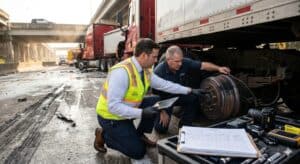
Brake failure in a commercial truck can transform an ordinary roadway into a devastating accident scene within moments, especially when a fully loaded tractor-trailer loses the ability to slow or stop safely. In New Orleans, these collisions often lead to catastrophic injuries because the enormous size and weight of commercial trucks dramatically increase impact forces during a crash. Determining why the brakes failed, however, usually requires far more than reviewing a police report alone.
Investigations may involve maintenance records, repair invoices, onboard electronic data, driver inspection logs, cargo weight information, and evidence gathered directly at the crash scene. Brake failure claims can also involve multiple potentially responsible parties, including trucking companies, maintenance providers, parts manufacturers, or drivers who ignored warning signs before the collision. Scott Vicknair truck accident attorneys often approach these cases by preserving critical evidence quickly before damaged parts are repaired, records disappear, or electronic systems overwrite important data. By combining technical investigation, federal safety regulations, expert analysis, and detailed injury documentation, truck accident attorneys help link mechanical failure to legal liability while protecting injured victims seeking compensation for long-term medical, financial, and personal losses resulting from a preventable trucking disaster.
Why Brake Failure Cases Need Fast Review
Time works against a brake failure claim from the first hour. Trucks may be repaired, onboard data can disappear, and damaged components sometimes leave storage yards before a full review begins. In that narrow window, Scott Vicknair truck accident attorneys fit into the process by demanding records, preserving hardware, and setting early questions about inspections, repair gaps, and warning signs before crucial proof slips away.
What Lawyers Look For At The Scene
Road evidence often supplies the earliest reliable clues. Skid marks, gouges, debris spread, air line fragments, and resting positions can indicate whether the braking force was engaged before impact. Weather, downhill grade, and cargo movement also shape stopping behavior. Photographs from officers, nearby cameras, or witnesses may capture timing that later testimony misses. Each detail helps reconstruct what the truck did, and what the brake system failed to do.
Records Often Tell The Hidden Story
Paper records can reveal a longer pattern than damaged metal alone can. Attorneys seek inspection reports, repair invoices, driver checklists, and out-of-service notices for clues about worn linings, air leaks, drum cracks, or ignored warnings. Electronic data may show speed, brake application, and fault events before impact. Repeated delayed service often carries more weight than a single defect discovered after the wreck.
The Maintenance Chain Can Spread Liability
Brake systems pass through several hands before a failure appears on the road. A carrier may postpone service, a repair shop may install parts poorly, or a supplier may sell a flawed component. Attorneys trace that chain through contracts, work orders, and purchase records. That wider review matters because legal responsibility may reach beyond the driver when maintenance choices created the unsafe condition.
Driver Conduct Still Matters In Brake Cases
Mechanical trouble does not erase human judgment. Lawyers review whether the driver noticed warning lights, soft pedal feel, dropping air pressure, or weaker stopping response before the crash. Training records may show what actions were expected under those conditions. Dispatch pressure can matter as well. Continuing to drive after clear danger signs may support a negligence finding, even when brake failure played a major role.
Expert Review Helps Explain Technical Evidence
Brake systems involve pressure, friction, heat, and timing, yet jurors need plain language. Attorneys often work with reconstruction specialists and mechanical experts who interpret wear patterns, thermal damage, and likely failure points. Their analysis can place the breakdown on a workable timeline. An expert may explain why the stopping power dropped, when the problem likely started, and whether proper service could have prevented the crash.
Federal Rules Shape The Investigation
Commercial carriers operate under detailed safety rules that govern inspections, maintenance, and recordkeeping. Attorneys compare the company’s conduct with those duties and look for missed checks that may carry significant weight after a brake failure. Cargo weight also matters because overload conditions strain stopping systems and raise brake temperatures. Rule violations do more than suggest poor practice. They can help prove that preventable conduct endangered everyone nearby.
Proving Harm Requires More Than Fault
A brake failure claim requires a clear link between mechanical breakdown and measurable harm. Attorneys gather medical records, wage-loss evidence, and future care projections to show how collision forces translate into lasting injury. Vehicle weight, speed, and stopping loss often help explain trauma severity. Insurers may accept a defect yet still dispute damages. A well-supported narrative helps answer that pressure with facts.
Conclusion
Truck accident attorneys do more than point to a failed part after a violent crash. They build a causation record that connects roadway signs, service history, expert analysis, and legal responsibility. In brake failure cases, the record often determines whether injured people can recover fair compensation. Careful investigation preserves proof before it disappears and tests every explanation against documented facts. Strong legal work helps show how a preventable systems failure became a life-altering event.
